
·6 min read
A logo is not a brand identity. Here's the difference.
A logo is one mark. A brand identity is the system around it. The brand is what people believe about you. Here is what each layer does for a founder.
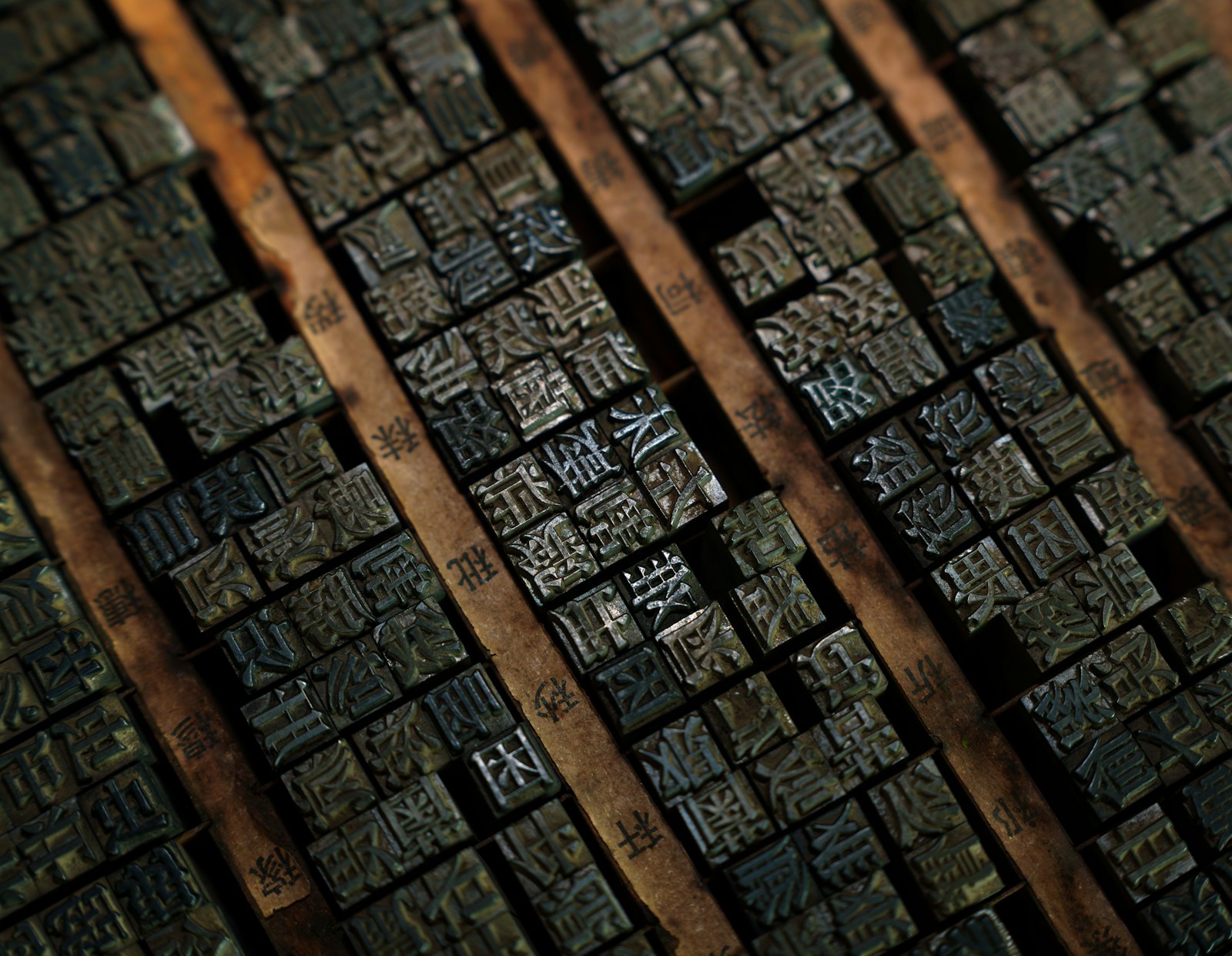
A logo is a single mark that identifies your business. A brand identity is the whole visual and verbal system that mark lives inside: colours, typefaces, layouts, tone and the rules for using them. The brand itself sits underneath both. It is what people come to believe and expect about you. When founders buy only a logo, they get the smallest of the three layers and have to invent the other two as they go.
That is not always wrong. But it helps to know what you are buying, and what you are not.
What is a logo, exactly?
A logo is a signature: a mark that tells people whose work this is.
It might be a symbol, a wordmark, or both together. A good one is simple enough to hold up at the size of a website icon and on a shop sign. It is distinctive enough that it can't be confused with the business next door.
What a logo cannot do on its own is explain anything. It points to a meaning. It doesn't carry the full meaning by itself. People learn what your mark stands for by meeting it again and again, in places that feel consistent and in moments where you kept your word.
So a logo is necessary. It is also the part that does the least work without help.
What does a brand identity add?
A brand identity is the system that makes every piece of your business look and sound like it came from the same place.
It usually includes:
- The mark and its rules: versions for light and dark backgrounds, minimum sizes, clear space.
- Colour: a primary palette and how much of each colour to use.
- Type: the typefaces for headings and body text, and how they pair.
- Layout and imagery: how a post, a label or a page is put together, and what kind of photography fits.
- Voice: how the brand speaks, which words it uses and which it avoids.
- Guidelines: a document that writes all of this down so other people can apply it.
The guidelines matter more than most founders expect. Your designer, your printer, the person running your social media next year: none of them were in the room when the logo was chosen. The guidelines are how your decisions reach them.
And what is the brand itself?
The brand is the reputation and expectation that forms in people's minds when they meet your business.
You don't fully control it. You influence it through what you promise, how you price, how you treat a customer when something goes wrong, and whether your communication is honest. The identity is how the brand is expressed. Strategy is how it is decided.
This is why SiF8 works inside-out. Our approach runs from founder mindset, to brand intent, to internal clarity, and only then to external identity, strategy, visual system and communication. The visual layer comes after the thinking, because it has to express something that already exists. If you want to see what the thinking stage covers, we wrote about what a brand strategy actually includes and about brand positioning for small businesses.
What do founders lose when they buy only a logo?
They lose consistency, and they pay for it in small decisions forever after.
Here's the trade-off. A logo on its own is faster and cheaper up front. But every new thing the business makes becomes a fresh design decision: the packaging, the price list, the website, the social post for Eid. Each one is made by whoever is available, with whatever fonts and colours they happen to pick. Over a year or two, the business starts to look like several different companies sharing one mark.
A few specific losses follow from that:
- Trust builds more slowly. People recognise a business by the whole pattern, not by the mark alone. If the pattern keeps changing, recognition has to start again.
- The logo gets asked to do too much. Without a system around it, founders often load the mark with meaning it can't hold, then blame the logo when it doesn't communicate.
- Handover is harder. Every new designer or freelancer reinvents the look, because nothing written tells them what to keep.
- Rework later. If the inconsistency becomes a problem, the identity usually gets built anyway. Then everything made in the meantime has to be redone to match.
None of this is a reason to buy more than you need. It is a reason to buy with your eyes open.
How do the three layers fit together in practice?
Strategy decides, identity expresses, and the logo is the most compressed form of that expression.
In our work on Kaysaan, an e-commerce brand repositioned as a trust-first, mid-premium lifestyle brand, we wrote the brand's filter before the logo: what it amplifies, what it deliberately avoids, and the one trade-off it accepts. The project covered brand strategy, identity, packaging and social. The visual decisions were then judged against that written filter, not against taste alone.
With Ahoron, a honey-based wellness brand, the positioning of "modern heritage" decided the mark, and the mark was built to sit inside one packaging system across a whole range of products. We walked through that reasoning step by step in how we designed Ahoron.
Now a hypothetical. Say you run a small attar and dates shop, selling in person and through a website. You start with a logo from a freelancer. Six months later you need gift boxes for Ramadan, a menu card, product photos and a new website. Without an identity system, each of these is designed from scratch, and each looks a little different. With one, the answers are already written: which colour leads, which typeface sets the product names, how a label is laid out, how the brand describes itself. The work gets faster, and the shop starts to look like one place.
Questions founders ask
Is a logo enough when I am just starting?
Sometimes, yes. If you have one product, one sales channel and very little budget, a clean logo and a few written rules for colour and type can carry you for a while. The risk comes when the business grows and nobody goes back to build the system.
What is the difference between brand identity and branding?
Brand identity is the set of visual and verbal tools. Branding is the wider work of deciding what the brand stands for and expressing it consistently, which includes strategy, identity and communication. The identity is one part of the branding.
Do I need brand guidelines if I am a small business?
If anyone other than you will ever design or write for the business, yes. Guidelines don't need to be a long document. A short, clear one that covers the mark, colours, type and voice already prevents most drift.
Can I add an identity system later around an existing logo?
Often you can. A good identity project starts by checking whether the existing mark still fits the brand's position. If it does, the system is built around it. If it doesn't, it is better to find out before you build a whole system on it.
Start from the layer underneath
A logo is worth getting right. It is just the top layer of something deeper, and it works best when the layers beneath it have been decided first. Our packages on pricing are fixed in scope, so you can see which layers each one covers, and our case studies show how the design reasoning runs from strategy down to the mark. If you are not sure which layer your own brand is missing, you can apply for the free Basirah (insight) Brand Audit.
Cover photo by Declan Sun on Unsplash.